Power vs. Energy: What's the Difference (and Why It's Costing You Money)
2026/09/09
If you've ever tried to figure out why your electricity bill looks the way it does, or how big a solar system you actually need, it all comes down to two simple concepts: power and energy. People often use these words interchangeably, but they're not the same thing — and understanding the difference can save you real money.
Power: how much "muscle" a device needs
Every appliance needs a certain amount of electrical power to run. Power is measured in Watts (W), and it tells you how much energy the device pulls at any given moment while it's switched on. You'll usually find this number printed on a label somewhere on the appliance itself.
A thousand Watts is called a kilowatt (kW) — so 1,000 W = 1 kW.
Some everyday examples:
A kettle: around 2,000 Watts (2 kW)
An old-style incandescent bulb: about 100 Watts
A modern LED bulb: as little as 5 Watts
Think of power as the size of the tap — how fast electricity flows when the device is running.
Energy: how much you actually use
Power only tells half the story. The moment you switch a device on, it starts using energy — and the longer it runs, the more energy it consumes. So energy depends on two things: how much power the device needs, and how long you use it for.
Energy = Power × Time
Watts × hours = Watt-hours (Wh)
Kilowatts × hours = kilowatt-hours (kWh)
That kWh figure is exactly what your electricity meter measures, and what you pay Eskom or your municipality for. If you have a solar system, your kWh comes from the sun instead. Either way, when people talk about "units" of electricity, they mean kWh.
By working out the energy used by each appliance and adding them together, you can calculate your total electricity use for a day — which is exactly how you'd size a solar system or battery.
A simple example
Let's say on a typical evening you use:
Kettle: 2,000 W, used for 5 minutes → 2,000 W × (5/60 hrs) = 166 Wh
Old-style bulb: 100 W, on for 10 hours overnight → 100 W × 10 hrs = 1,000 Wh
TV: 200 W, on for 4 hours → 200 W × 4 hrs = 800 Wh
Total: 166 + 1,000 + 800 = 1,966 Wh, or about 1.97 kWh
Notice something interesting: that "powerful" 2,000 W kettle actually used far less energy than the 100 W light bulb — simply because the kettle was only on for a few minutes, while the bulb burned all night. This is the key insight: power tells you the size of the appliance's appetite, but time in use is what really drives your energy bill.
The power of small changes
Now let's swap that old 100 W bulb for a 5 W LED — same 10 hours of use:
LED bulb: 5 W × 10 hrs = 50 Wh
Kettle: 166 Wh
TV: 800 Wh
New total: 1,016 Wh
That one simple swap cuts almost 950 Wh of energy use every single day — just by switching to a more efficient bulb, with zero change in how you actually use it. Multiply that across a household or a business, and the savings add up fast.
Why this matters for solar
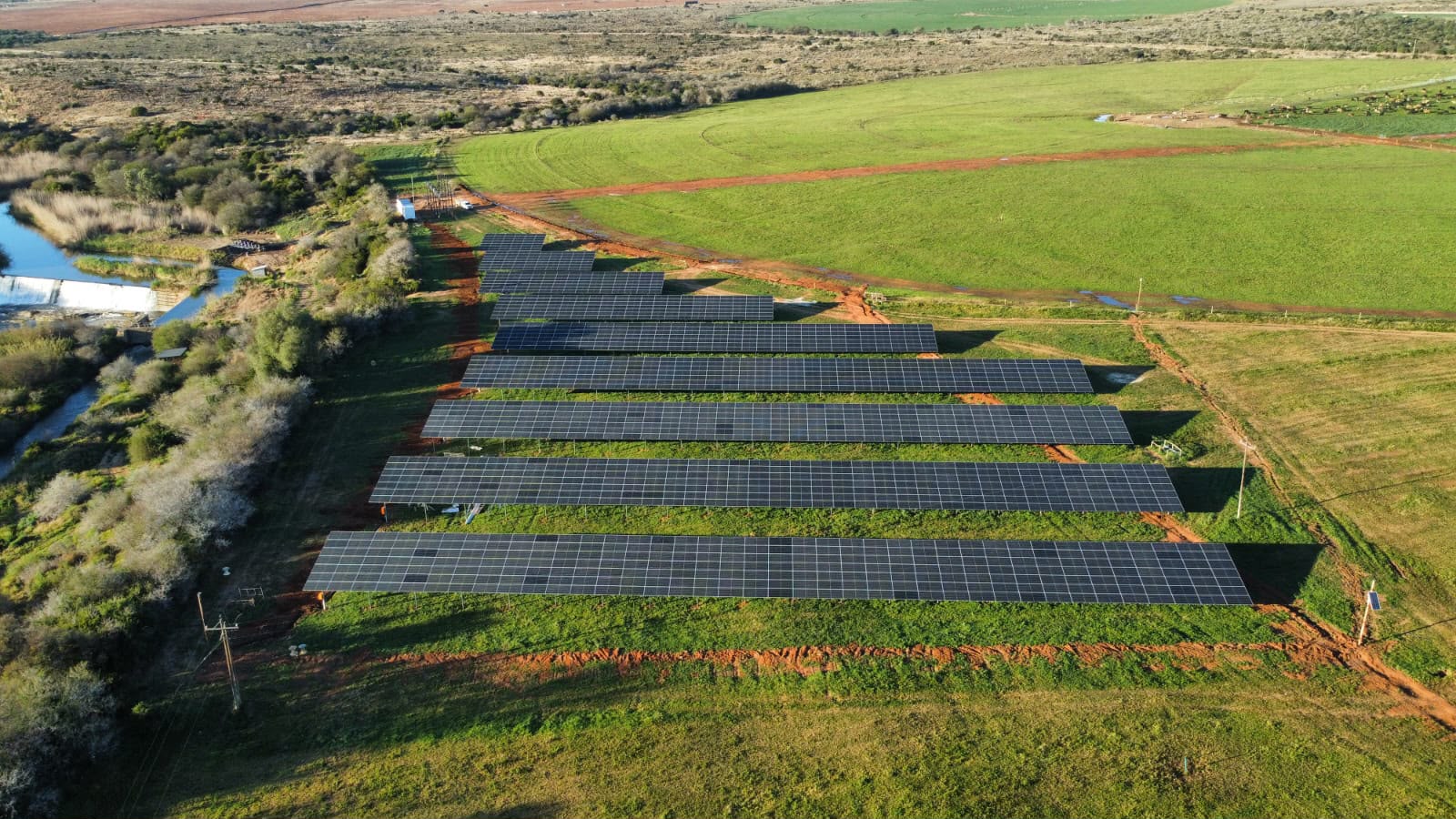
Solar systems are rated by how much energy they can generate per day, in kWh. So a 2 kWh solar system will produce around 2,000 Wh of energy daily — comfortably covering the kind of household use calculated above.
This is why understanding your actual energy consumption (not just the power rating of your devices) is the starting point for sizing the right solar solution. Get this number right, and you avoid paying for a system that's too big — or worse, installing one that's too small to meet your needs.
Bottom line: Power tells you how demanding a device is in the moment. Energy tells you what it actually costs you over time. Knowing both is the first step to using electricity — and solar — smarter.bold text
Comments
Be the first to comment.